
China to USA Shipping for Amazon Sellers Singapore: 2025 Guide
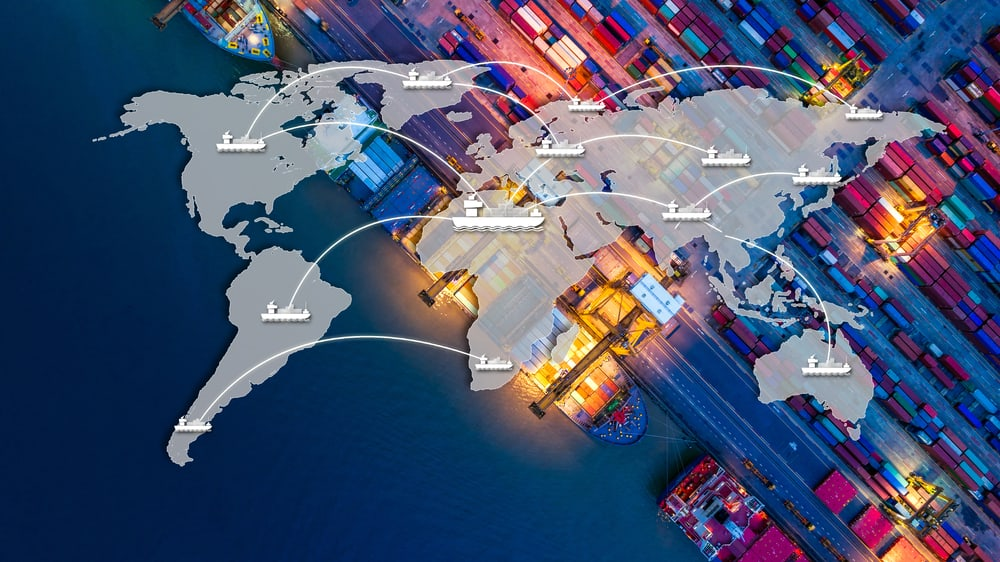
Singaporean entrepreneurs often encounter significant logistical hurdles when coordinating product movements from Chinese factories to American fulfillment centers. Managing china to usa shipping for amazon sellers singapore requires a sophisticated understanding of global trade routes and carrier availability. Consequently, partnering with a professional logistics provider like China Freight Hub ensures your inventory arrives safely and on schedule.
What is the Best Way for China to USA Shipping for Amazon Sellers Singapore?
Sellers based in Singapore typically source products from China due to the massive manufacturing capabilities and competitive pricing found in regions like Guangdong and Zhejiang. However, coordinating the logistics from these hubs to the US market involves navigating complex international regulations and varying carrier schedules. Specifically, you must decide whether to move goods directly from China or route them through intermediate points.
Reliable freight forwarding services provide the necessary infrastructure to manage these shipments without requiring your physical presence in either country. Moreover, these services handle everything from factory pickup to final delivery at an Amazon warehouse. Therefore, choosing a partner with a strong presence in both China and the USA is essential for maintaining a healthy supply chain.
How Does Sea Freight Compare to Other Shipping Options?
Sea freight remains the most popular choice for bulk shipments because it offers the lowest cost per cubic meter. While it takes significantly longer than air transport, the savings on large volumes can drastically improve your profit margins. Consequently, many sellers plan their inventory cycles months in advance to accommodate these longer transit times.
Ocean carriers offer two primary services: Full Container Load (FCL) and Less than Container Load (LCL). For shipments exceeding 15 cubic meters, FCL is generally more economical and faster. In contrast, LCL allows smaller sellers to share container space, making it a flexible option for growing businesses. Consider sea freight for your non-urgent, high-volume inventory needs.
Alternative strategies include sea-air hybrid solutions which combine the cost-effectiveness of ocean transit with the speed of air delivery for the final leg. Furthermore, direct shipping from China to US West Coast ports often saves 10-15 days compared to East Coast routes. Accordingly, choosing the right port of entry is a vital part of your logistics strategy.
| Shipping Method | Cost Range | Transit Time | Best For |
|---|---|---|---|
| Sea Freight | $1,500 – $4,500 | 18 – 35 Days | Bulk Inventory |
| Air Freight | $5 – $12 per kg | 5 – 8 Days | Urgent Restocks |
| Express | $8 – $15 per kg | 3 – 5 Days | Small Samples |
Speeding Up Delivery with Air Cargo and Express Services
Air freight is the ideal solution when you need to restock popular items quickly to avoid going out of stock on Amazon. Although the costs are higher, the rapid transit time ensures you do not lose your sales ranking during peak seasons. Specifically, air freight provides a balance between speed and cost for mid-sized shipments.
Express services like DHL or FedEx offer the fastest possible delivery, often reaching the destination in under a week. Nevertheless, these services are best reserved for high-value items or small parcels due to the premium pricing. As a result, most successful sellers use a mix of sea and air transport to manage their cash flow and inventory levels effectively.
Navigating Amazon FBA Requirements for Singapore Sellers
Amazon has strict requirements for how products must be labeled, packaged, and delivered to their fulfillment centers. Failure to comply with these rules can result in rejected shipments or additional fees. Therefore, working with a logistics provider that understands Amazon FBA standards is a significant advantage.
Forwarders often provide prep services in China, including FNSKU labeling and carton marking. Furthermore, they ensure that the pallets meet specific dimensions required by US warehouses. Consequently, your inventory moves through the receiving process much faster, allowing you to start selling sooner.
Customs Clearance and Documentation for US Imports
Importing goods into the USA requires meticulous documentation to avoid delays at the port of entry. Key documents include the Commercial Invoice, Packing List, and Bill of Lading. Additionally, you must ensure that your products comply with US safety standards and intellectual property laws.
Professional door to door services typically include customs brokerage to handle these complexities on your behalf. They calculate duties and taxes accurately, ensuring that all legal requirements are met before the cargo arrives. Indeed, a single error in documentation can lead to costly storage fees and inspections.
| Document Type | Purpose | Required By | Criticality |
|---|---|---|---|
| Commercial Invoice | Valuation of goods | US Customs | High |
| Packing List | Detailed contents | Port Authorities | High |
| ISF Filing | Security screening | CBP | Mandatory |
Understanding the Costs: Freight Rates and Fees for 2025
Freight rates fluctuate based on seasonal demand, fuel prices, and global economic conditions. For instance, rates typically spike during the months leading up to the holiday season. Moreover, port congestion in major hubs like Los Angeles can influence the total landed cost of your products.
Market data suggests that ocean freight rates from China to the US West Coast have stabilized in early 2025. However, sellers should still budget for unexpected surcharges and local trucking fees. Accordingly, getting a comprehensive quote that includes all door-to-door costs is the best way to protect your margins.
Note: Freight rates are subject to change based on fuel costs, carrier capacity, and seasonal demand. Contact us for a current quote tailored to your specific shipment.

Success Stories: Real-World Case Studies
Case Study 1: High Volume Toy Shipment. Route: Shenzhen, China to Long Beach, USA. Cargo: Plastic Toys, 68 CBM, 12,000 kg. Container: 40HQ. Shipping Details: Major carrier, direct route. Cost Breakdown: Ocean Freight $3,200, Origin Charges $450, Destination Charges $600, Customs $800. Total Landed Cost: $5,050. Timeline: Sea Transit 16 days, Total Door-to-Door 24 days. Key Insight: Booking 4 weeks in advance secured a lower rate during the Q3 peak.
Case Study 2: Electronics Restock. Route: Ningbo, China to Savannah, USA. Cargo: Consumer Electronics, 5 CBM, 800 kg. Container: LCL. Shipping Details: Transshipment via Singapore. Cost Breakdown: Ocean Freight $1,100, Origin Charges $300, Destination Charges $500, Customs $1,200. Total Landed Cost: $3,100. Timeline: Sea Transit 32 days, Total Door-to-Door 40 days. Key Insight: Using an East Coast port saved on cross-country trucking for the final delivery to a Georgia FBA center.
Which Shipping Option Should You Choose?
Budget Priority
If your primary goal is to minimize costs, sea freight is the clear winner. This method is particularly effective for products with low value-to-weight ratios. Specifically, using LCL for shipments under 15 CBM or FCL for larger volumes will keep your unit costs low.
Speed Priority
When speed is the most critical factor, air freight or express services are necessary. These options are best for high-margin products or urgent inventory gaps. Consequently, the high cost is offset by the ability to maintain sales momentum.
Best Practices for Singapore-Based Amazon Sellers
Managing logistics remotely requires clear communication with both your factory and your freight forwarder. Always verify that your supplier understands the specific packaging requirements for international transit. Furthermore, utilize tracking tools provided by your logistics partner to monitor your shipment in real-time.
Diversifying your shipping methods can also mitigate risks associated with port strikes or weather delays. For example, sending a small portion of your stock via air while the majority travels by sea ensures you always have some inventory available. Finally, stay informed about changes in US trade policy that could affect import duties.
Managing Last-Mile Delivery and Warehouse Storage
Once your goods clear customs, they must be transported to the specific Amazon fulfillment center assigned in your shipping plan. This last-mile delivery is a critical step where delays often occur due to warehouse congestion. Therefore, choosing a forwarder with a reliable trucking network in the USA is vital.
Some sellers choose to use third-party warehouses (3PL) to store excess inventory and drip-feed it into FBA. This strategy helps avoid Amazon’s high long-term storage fees. Consequently, you maintain better control over your stock levels and reduce overall operational costs.
Final Thoughts on US Logistics for Singapore Sellers
Navigating the complexities of china to usa shipping for amazon sellers singapore is a fundamental skill for any successful e-commerce entrepreneur. By understanding the trade-offs between speed and cost, you can build a resilient supply chain that supports long-term growth. Whether you choose sea freight for bulk orders or air cargo for rapid restocks, the right logistics partner makes all the difference.
Investing time in planning and compliance will save you from costly mistakes and ensure your products reach American customers efficiently. As the market evolves, staying adaptable and informed will remain your greatest competitive advantage.
Ready to streamline your logistics?
Streamline your supply chain today by requesting a custom quote for china to usa shipping for amazon sellers singapore. Visit our website to see how we can optimize your FBA logistics. Send Inquiry for a professional consultation.
Request Quote