

Container Shipping from China to USA: 2026 Rates and Guide
Navigating the complexities of container shipping from china to usa requires a deep understanding of current market dynamics and logistics efficiency. As we move through 2026, businesses must adapt to evolving trade lanes and fluctuating fuel costs to maintain a competitive edge. China Freight Hub offers comprehensive solutions to streamline your international supply chain and reduce overhead costs. This guide provides the essential data you need to manage your transpacific shipments effectively.

What are the Current Market Trends for 2026?
The logistics landscape in 2026 has entered a period of relative stability following the disruptions observed in 2025. Consequently, ocean freight rates have normalized, though they remain sensitive to seasonal demand spikes and global energy prices. Moreover, carriers have introduced more fuel-efficient vessels to comply with new environmental regulations.
Importers now prioritize transparency and real-time tracking more than ever before. Therefore, choosing a forwarder that offers digital integration is essential for modern supply chain management. Additionally, the shift toward sustainable shipping practices is influencing how major carriers allocate their capacity on the China-US route.
Specifically, many businesses are utilizing sea freight to balance cost-effectiveness with reliable delivery schedules. Meanwhile, port infrastructure improvements on the US West Coast have significantly reduced the congestion issues seen in previous years. Indeed, this efficiency helps in maintaining a steady flow of goods across the Pacific.
Estimated Costs for Container Shipping from China to USA
Determining the exact cost of your shipment involves several variables including container size, port of origin, and final destination. For instance, shipping to the US East Coast typically incurs higher costs due to the longer transit distance through the Panama Canal. Nevertheless, bulk shipping remains the most economical method for large inventories.
Current market data suggests that rates for 20GP and 40HQ containers have stabilized in early 2026. However, peak season surcharges usually apply between August and October. Importers should also account for inland trucking fees and terminal handling charges at both ends.
Note: Freight rates are subject to change based on fuel costs, carrier capacity, and seasonal demand. Contact us for a current quote tailored to your specific shipment.
| Route | 20GP Container | 40HQ Container | Avg. Transit |
|---|---|---|---|
| China to US West Coast | $1,600 – $2,300 | $2,900 – $3,900 | 14-18 Days |
| China to US East Coast | $2,600 – $3,600 | $4,600 – $6,100 | 30-35 Days |
| China to US Gulf Coast | $2,400 – $3,400 | $4,200 – $5,800 | 28-32 Days |

Transit Times for Container Shipping from China to USA
Transit times vary significantly depending on whether you choose a direct service or a transshipment route. For example, a direct vessel from Shanghai to Los Angeles is the fastest ocean option available. Conversely, shipping to New York via the Suez or Panama Canal takes considerably longer.
Understanding the delivery schedule is crucial for inventory planning and meeting customer expectations. Furthermore, you must factor in the time required for customs brokerage and port processing. Usually, these steps add another 3 to 7 days to the total door-to-door timeline.
Typical transit times as of early 2026 indicate that West Coast ports remain the preferred entry point for time-sensitive cargo. Meanwhile, East Coast ports offer better access to the dense population centers of the Atlantic seaboard. Accordingly, your choice of port should align with your distribution network.
How Does Sea Freight Compare to Other Shipping Options?
While sea freight is the standard for high-volume trade, other methods might be more suitable depending on your specific needs. For instance, air freight provides unmatched speed but at a significantly higher price point. Therefore, businesses must weigh the urgency of their shipment against their available budget.
Hybrid solutions like sea-air combinations have also gained popularity for shipments that require a balance of speed and cost. Additionally, door to door services provide a seamless experience by managing every leg of the journey. This approach minimizes the administrative burden on the importer.
In contrast to rail freight, which is prominent for China-Europe routes, sea freight remains the only viable surface option for the US market. Consequently, optimizing your ocean logistics is the most effective way to control costs.
| Method | Cost Range | Transit Time | Best For |
|---|---|---|---|
| Sea Freight (FCL) | $3,000 – $6,000 | 14-35 Days | Bulk Goods |
| Air Freight | $5 – $12 per kg | 3-7 Days | High Value |
| LCL Shipping | $60 – $100 per CBM | 20-40 Days | Small Batches |
| Express | $8 – $15 per kg | 2-5 Days | Samples |
Which Option Should You Choose?
Deciding between FCL and LCL depends largely on your shipment volume and budget constraints. If you have enough cargo to fill at least 15 CBM, a 20GP container is often more cost-effective. On the other hand, LCL allows you to pay only for the space you use, which is ideal for smaller businesses.
Budget priority: If cost is your primary concern, choose FCL with a longer transit time to a West Coast port. Speed priority: If you need goods quickly, express service or air freight is the better choice. Cargo type: Perishable or high-value electronics usually require the speed and security of air transport.
Volume thresholds are also important. For shipments under 1 CBM, express courier is usually cheaper than sea freight. However, once you exceed 2 CBM, LCL becomes the more economical choice despite the longer wait times.
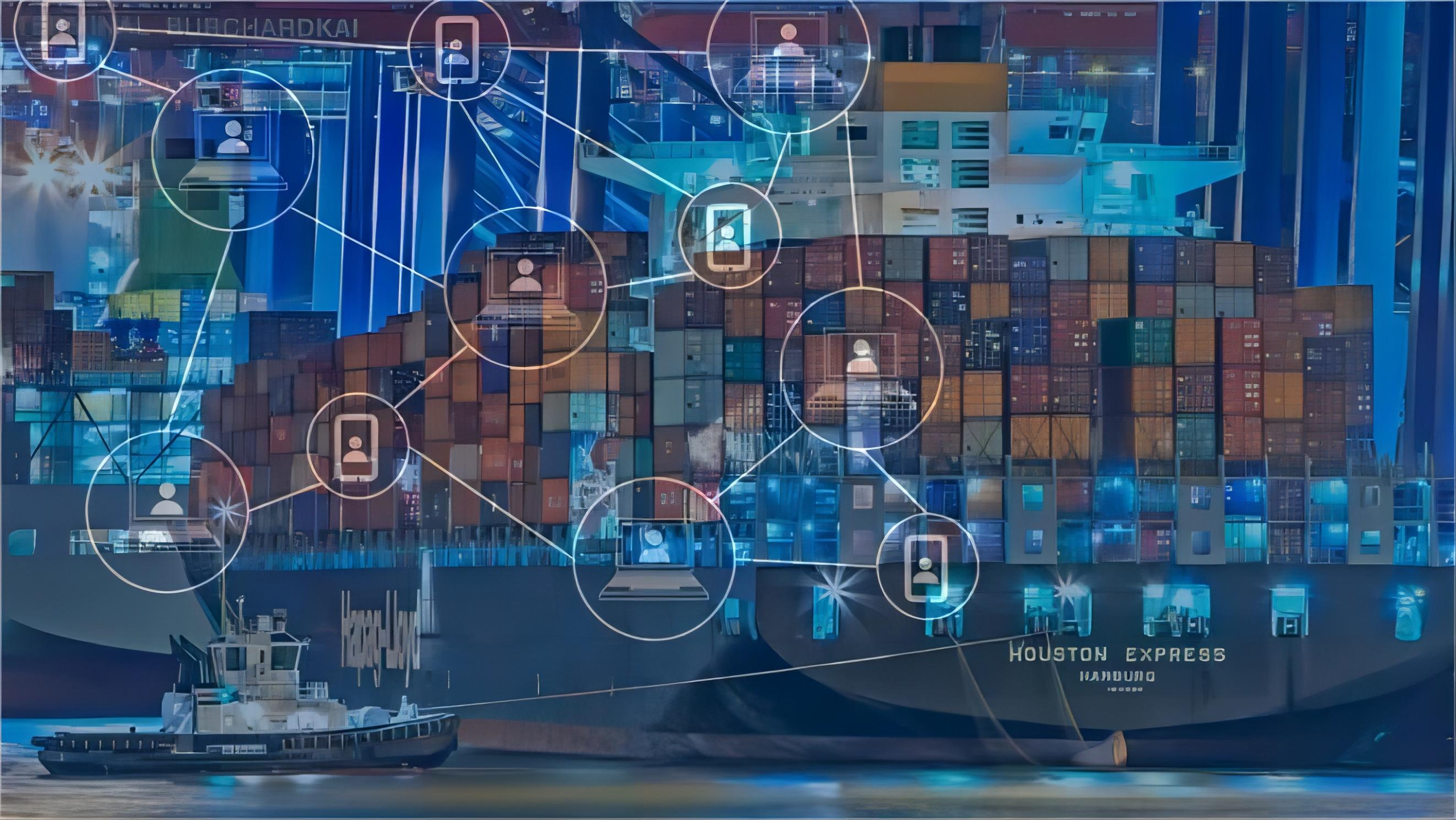
Case Studies: Real-World Examples of China to USA Logistics
Case Study 1: Large Scale Electronics Distribution. Route: Shenzhen to Long Beach. Cargo: Consumer electronics, 68 CBM, 12,000 kg. Container: 40HQ. Carrier: COSCO. Ocean Freight: $3,200. Total Landed Cost: $4,500. Sea Transit: 15 days. Total Door-to-Door: 22 days. Key Insight: Using a direct route saved 6 days compared to transshipment options.
Case Study 2: E-commerce Inventory Restock. Route: Ningbo to Savannah. Cargo: Home decor, 8 CBM, 1,500 kg. Container: LCL. Carrier: Major carrier. Ocean Freight: $720 ($90/CBM). Total Landed Cost: $1,450. Sea Transit: 32 days. Total Door-to-Door: 40 days. Key Insight: Consolidating LCL shipments reduced costs by 25 percent compared to air freight.
Case Study 3: Specialized Industrial Parts. Route: Shanghai to Chicago. Cargo: Machinery parts, 25 CBM, 8,000 kg. Container: 20GP. Carrier: Maersk. Ocean Freight: $2,800. Total Landed Cost: $4,100. Sea Transit: 28 days via West Coast rail link. Total Door-to-Door: 35 days. Key Insight: Intermodal transport was more efficient than all-water routes to the East Coast.
Navigating Customs and Documentation for US Imports
Successful container shipping from china to usa relies heavily on accurate documentation and compliance with US Customs and Border Protection. Crucially, you must ensure that your ISF (Importer Security Filing) is submitted at least 24 hours before the ship leaves China. Failure to do so can result in significant fines and cargo delays.
Required documents typically include the Commercial Invoice, Packing List, and Bill of Lading. Furthermore, many e-commerce sellers utilize Amazon FBA services to handle the final mile delivery to warehouses. This integration helps in managing the complex requirements of the US market.
Industry benchmarks suggest that working with an experienced customs broker can reduce clearance times by up to 40 percent. Additionally, staying informed about the latest tariff changes is vital for accurate cost forecasting. Clear communication with your freight forwarder ensures all paperwork is in order before the vessel arrives.
Final Thoughts on US-China Container Logistics
In conclusion, mastering container shipping from china to usa in 2026 requires a proactive approach to logistics management. By understanding the differences between FCL and LCL, monitoring market trends, and ensuring compliance with customs regulations, you can significantly improve your bottom line. Moreover, selecting the right port and transit method allows for a more resilient supply chain.
Reliability and cost-efficiency remain the two most important factors for successful international trade. Therefore, partnering with a knowledgeable freight forwarder is the best way to navigate the complexities of the transpacific route. Ultimately, staying informed about current rates and delivery schedules will ensure your business remains competitive in the global marketplace.
Ready to streamline your logistics?
Ready to optimize your supply chain and reduce costs? Contact our logistics experts today for a personalized quote on container shipping from china to usa. Visit China Freight Hub to start your shipment now.
Request Quote